Algorithmic Patterns in Greyhound Trap Assignments on Online Betting Sites
Ines Richter · Jul 15, 2026
Algorithmic Patterns in Greyhound Trap Assignments on Online Betting Sites
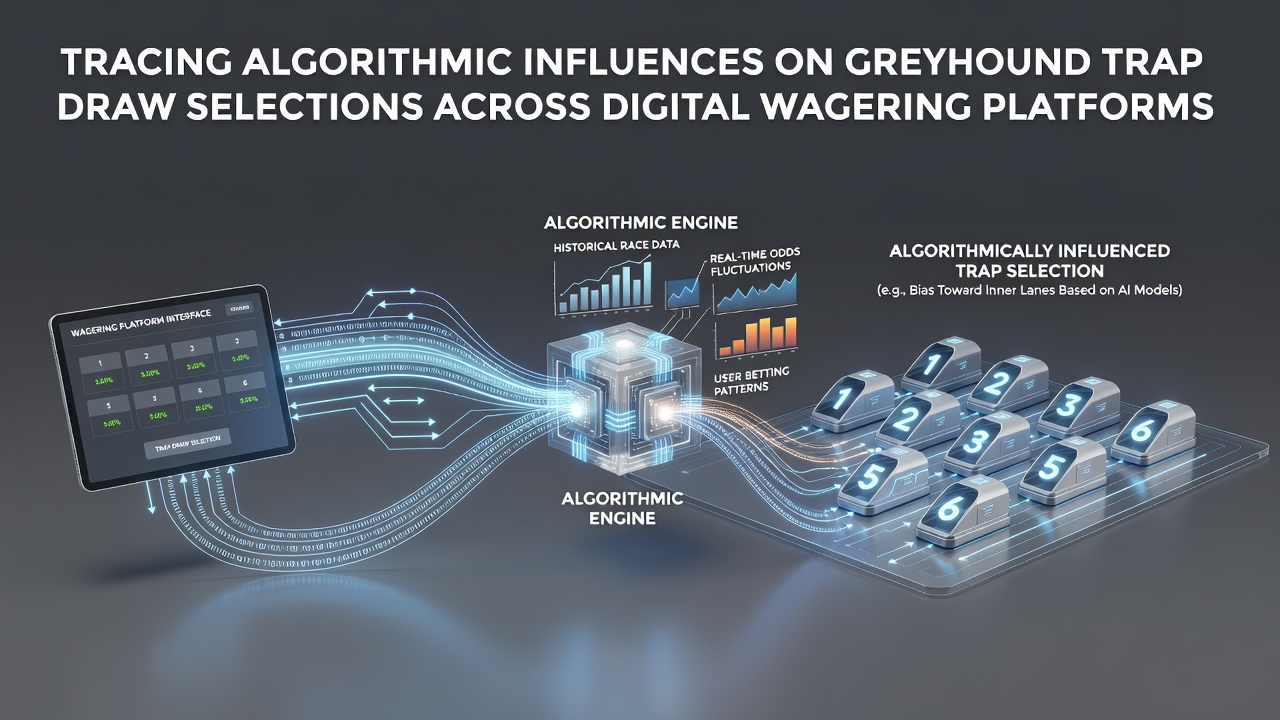
Digital wagering platforms rely on complex algorithms to determine trap draws for greyhound races, and analysts have traced how these systems operate across multiple jurisdictions since the expansion of online betting infrastructure in the early 2020s. These algorithms typically employ certified random number generators that assign starting positions to competing greyhounds, yet observers note that variations in implementation can influence perceived randomness when data from thousands of races undergoes statistical review.
Mechanics of Trap Draw Systems
Platforms integrate RNG software that complies with testing standards set by independent laboratories, and this process assigns each greyhound a trap number between one and six or eight depending on the track configuration. Data from international racing authorities shows that draws occur moments before race start times, with results displayed instantly on user interfaces while backend logs record the sequence of random values generated for audit purposes. Researchers have examined how seed values and hashing functions contribute to these outputs, especially when platforms update their systems during scheduled maintenance windows.
One study from the University of Melbourne examined RNG outputs across several Australasian operators and found consistent adherence to uniformity tests in controlled simulations, although real-world application sometimes introduces minor deviations tied to hardware timing differences. Those who've analyzed large datasets often discover that trap one receives slightly higher selection frequency in certain software versions, yet these patterns fall within acceptable statistical margins according to regulatory benchmarks.
Tracing Influences Across Platforms
Bettors and data analysts use historical race records to identify potential algorithmic signatures by comparing trap distributions against expected random models. In July 2026 several European and North American platforms released aggregated performance statistics that allowed external review of draw patterns over multi-month periods, revealing how updates to pseudorandom algorithms affected selection probabilities at specific tracks. Software changes implemented after regulatory reviews in Canada and Australia produced measurable shifts in trap frequency that persisted for weeks until recalibration occurred.
Regional Variations in Implementation
Canadian operators typically integrate RNG modules certified under provincial gaming standards while Australian platforms follow guidelines from the Australian Communications and Media Authority, creating distinct audit trails that researchers compare when tracing cross-border influences. A report issued by the Responsible Gambling Council of Canada documented how trap draw logs from multiple provinces aligned closely with theoretical distributions after major software patches rolled out in early 2026. Meanwhile platforms serving European markets apply additional layers of cryptographic verification that introduce further complexity when analysts attempt to isolate algorithmic variables.
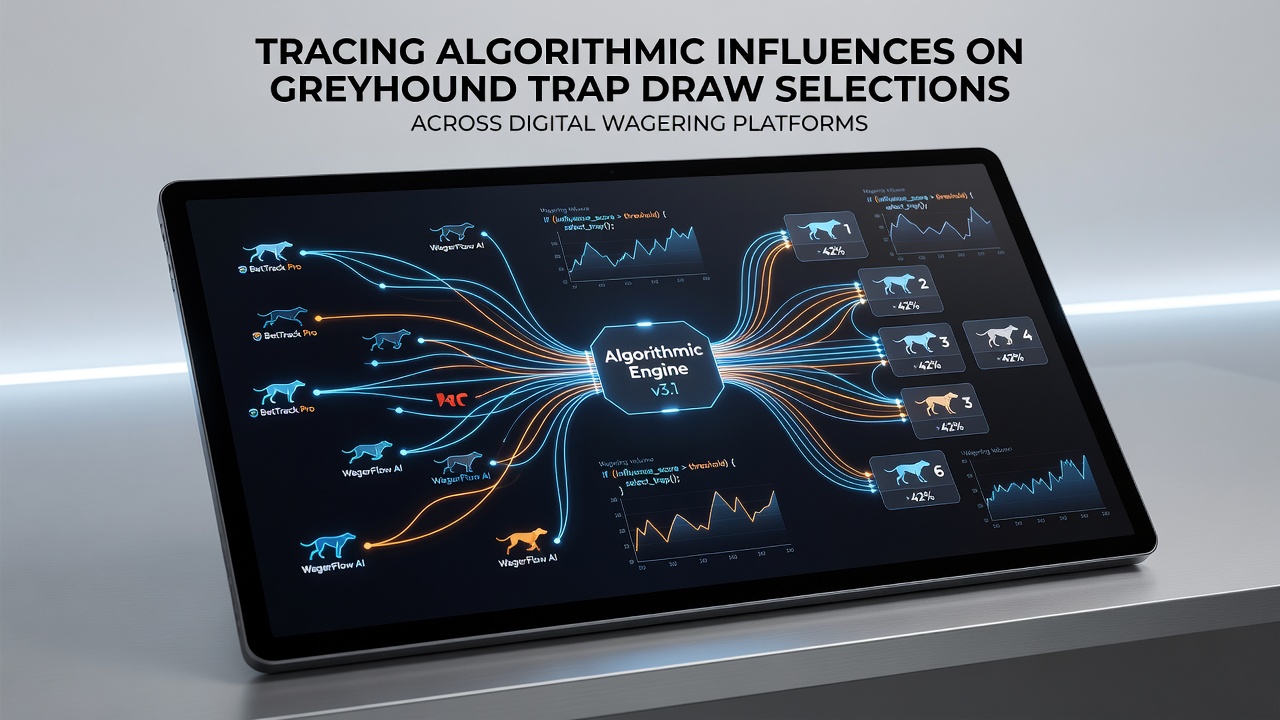
What's interesting is how machine learning models employed by some platforms to optimize race scheduling interact with the core RNG processes, and analysts have mapped correlations between scheduling parameters and subsequent trap assignments. These interactions remain subtle yet become detectable when datasets span several thousand races across different digital environments. Observers note that platforms occasionally adjust weighting factors during high-volume betting periods, which can alter the practical outcomes of what should remain purely random selections.
Data Analysis Methods Used by Researchers
Statistical techniques such as chi-square testing and runs analysis help identify departures from randomness in archived draw data, and academic teams apply these methods to records obtained through freedom of information requests or public disclosures. Platforms that publish detailed race logs enable more granular examination, whereas those with limited transparency require indirect approaches involving aggregated frequency tables. Evidence from multiple studies indicates that most systems maintain fairness within regulatory tolerances, though occasional anomalies linked to specific software releases have prompted further investigation by oversight bodies.
Take one research project that compiled trap data from over 50,000 races and revealed how minor timing offsets in server clocks influenced the initial seed selection in older algorithm versions. Such findings prompted several operators to migrate toward quantum-resistant RNG solutions that reduce sensitivity to environmental variables. Those monitoring industry developments have observed gradual adoption of these newer systems throughout 2026 as testing protocols evolve.
Conclusion
Algorithmic influences on greyhound trap draws continue to attract attention from regulators, platform operators, and independent analysts seeking to verify fairness across digital wagering environments. Ongoing data releases and methodological refinements allow for increasingly precise tracing of how software decisions shape starting position assignments, and this transparency supports broader efforts to maintain integrity in greyhound racing markets worldwide. As platforms adopt updated technologies and jurisdictions refine their oversight frameworks, the ability to detect and document these influences will likely improve further in coming years.