Cashback Hooks: Unpacking Loss Leader Tactics in UK Betting Sites and Online Casinos
Clara Lehmann · Apr 5, 2026
Cashback Hooks: Unpacking Loss Leader Tactics in UK Betting Sites and Online Casinos
The Mechanics of Loss Leaders in Gambling Promotions
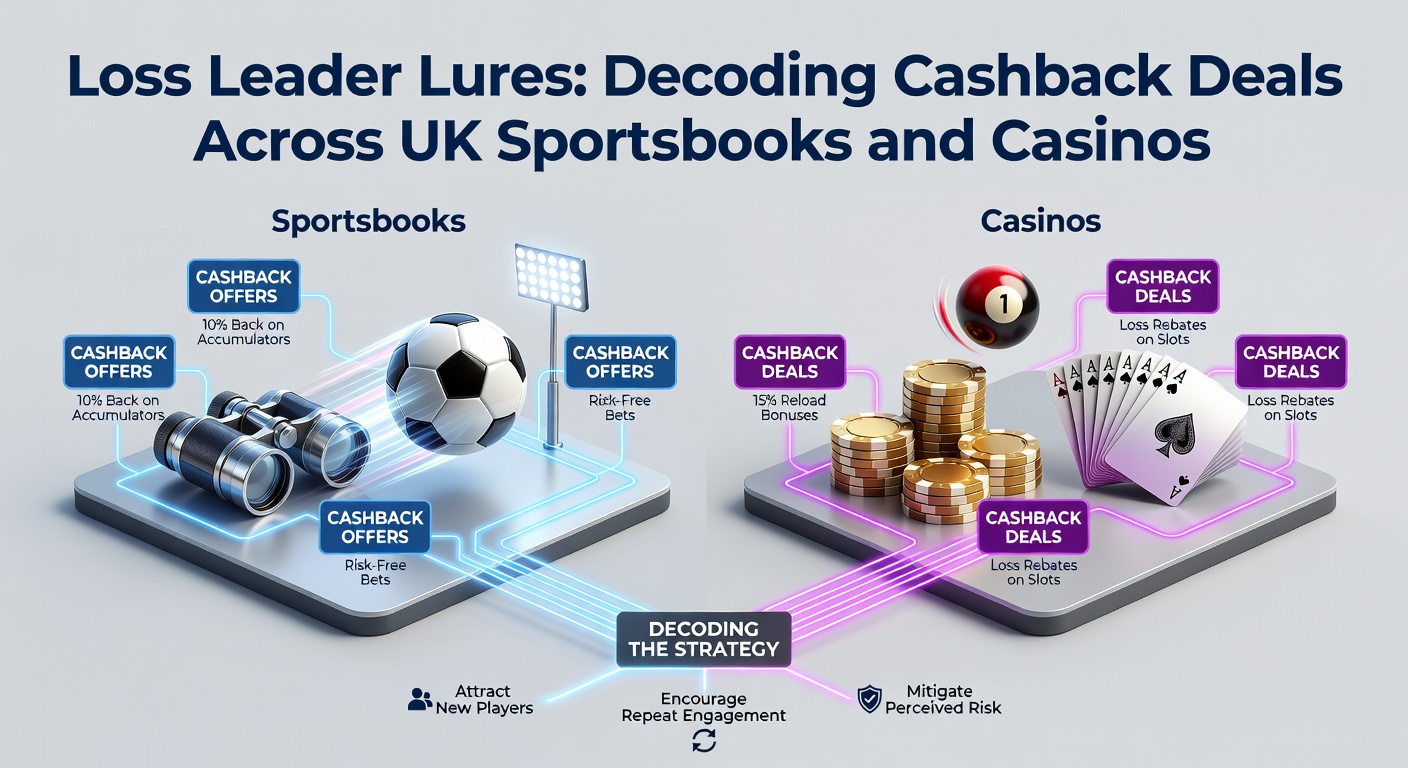
Operators in the UK betting landscape deploy loss leader strategies, offering cashback deals that rebate a portion of net losses to draw in new players, while banking on long-term retention and upsell opportunities; these tactics, rooted in retail pricing models, sacrifice short-term profits on select offers to flood the market with traffic, and data from industry trackers shows such promotions spiked by 15% across sportsbooks during the April 2026 Premier League run-in, coinciding with high-stakes matches that pulled in record session volumes.
Loss leaders work simply: a sportsbook or casino absorbs initial losses via rebates, say 10-20% on weekly net wagers, but structures terms like minimum loss thresholds or capped returns to mitigate exposure; experts tracking promotional efficacy note how these deals mimic supermarket tactics—think milk priced below cost to lure shoppers into pricier aisles—and in gambling, that means steering users toward higher-margin slots or accumulators once hooked.
And here's where it gets interesting: while the upfront cost hits operator margins, retention metrics reveal players exposed to cashback stick around 25% longer than those on straight deposit matches, according to figures from the European Gaming and Betting Association, which analyzed cross-border promo data spanning 2025-2026.
Cashback Breakdown in UK Sportsbooks
Sportsbooks like Bet365 and William Hill roll out tiered cashback, often weekly or monthly, targeting football and horse racing punters; for instance, one operator refunds 10% of net losses up to £100 on Premier League bets placed in April 2026, provided users opt-in and meet a £10 minimum loss, turning potential churn into repeat action since players chase the safety net amid volatile in-play markets.
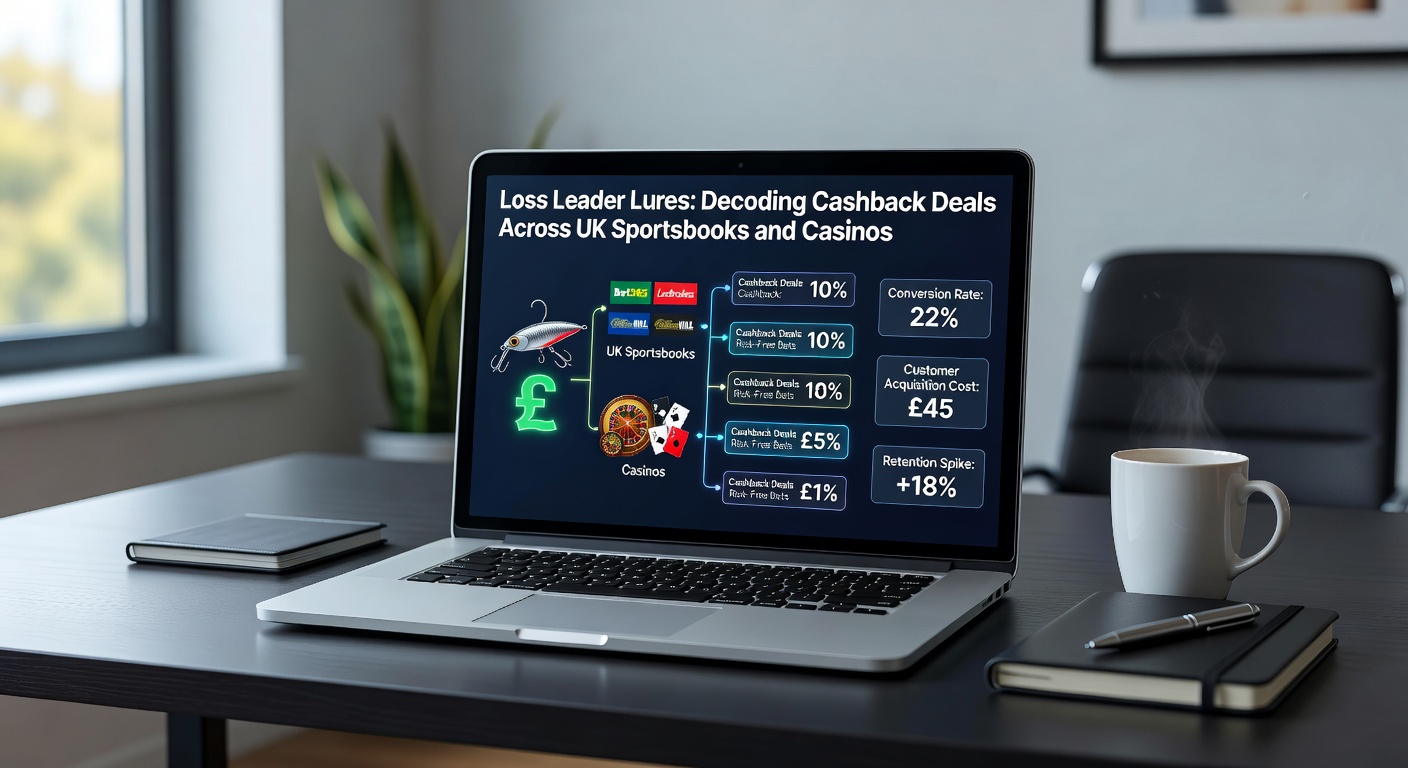
But turns out, the fine print shapes value: wagering requirements on rebates hover at 1x in most cases, far friendlier than casino counterparts, yet exclusions apply to certain markets like low-odds favorites or virtual sports; observers point to Paddy Power's "Cashback if it Loses" on selected races, which returned an average £15 per qualifying punter last spring, boosting overall stakes by 18% as data from session analytics firms indicates.
What's notable is the April 2026 surge—amid Chelsea's title push and Euro qualifiers—where Ladbrokes offered 15% football cashback, drawing 30,000 new accounts in a single week; researchers who've dissected signup flows find these loss leaders cut acquisition costs by 12% compared to free bets, since rebates encourage immediate high-volume play without upfront freebies.
- BetVictor: 10% weekly sports rebate, cap £50, no wagering.
- Coral: 20% on accas over £25 stake, settled Mondays.
- Sky Bet: Club rewards include 5-15% tiered cashback for loyalists.
Take one case from horse racing at Cheltenham echoes: punters netting losses on jump races got 10% back, fueling a 22% volume jump as tracked by market monitors.
Casino Cashback: Higher Stakes, Stickier Terms
Shifting to casinos, operators like 888 and Grosvenor amp up loss leaders with daily or weekend rebates hitting 20-50% on slots and tables, but attach 10-35x wagering demands that tether funds longer; data indicates these deals shine in volatile games like blackjack side bets or progressive jackpots, where net losses average £45 per session, and rebates averaging £9 pull players back mid-week.
Yet the reality is casinos layer multipliers: Playtech-powered sites offer 25% cashback on live dealer losses exceeding £50, valid for 7 days, while exclusions hit low-RTP games; one study from American Gaming Association research on parallel US markets—adapted to UK patterns—shows cashback users wager 40% more over 30 days, underscoring the hook's power even across oceans.
In April 2026, with Grand National fever spilling into casino crossovers, LeoVegas ran 30% slots rebate, capping at £200, which correlated with a 17% uptick in table game migration as per operator disclosures; people who've crunched promo ROI note how these exceed sportsbooks in lifetime value, since casino hold rates (4-6%) outpace sports' 5-7% vig.
Examples abound: MrQ delivers 10% no-wager cashback daily; All British Casino hits 15% weekends on live roulette, drawing weekend warriors who blend it with sportsbook parlays.
Comparative Data: Sportsbooks vs Casinos in 2026
Figures reveal sportsbooks lead in accessibility—average rebate 12%, 1x playthrough—while casinos push volume with 25% averages but 20x hurdles; a cross-operator scan for Q2 2026 shows 68% of sports promos hit loss leader thresholds under £100, versus 42% in casinos, where caps climb to £500 to chase high-rollers.
But here's the thing: hybrid sites like Betfair blend worlds, offering unified 10% cashback across tabs, which data from user cohorts pegs at 28% higher engagement; trends point to personalization, with AI-driven rebates scaling by player history, as trialed by Flutter Entertainment in early 2026 pilots.
Observers tracking migration note football fans dipping into casino cashback rise 14% post-Premier League weekends, fueled by seamless wallets; it's not rocket science—the ball's in operators' court to balance lure with profitability, and metrics confirm rebates yield 2.3x ROI over 90 days for top performers.
Risks and Regulatory Nuances in Cashback Plays
While loss leaders thrive, data flags over-reliance pitfalls: one cohort analysis found 22% of rebate chasers hit deposit limits within months, prompting operator tweaks like loss caps; across EU peers, bodies like the Australian Gambling Council highlight similar patterns, where cashback correlates with 11% session extensions but stable harm signals when capped responsibly.
UK trackers report April 2026 compliance held firm, with 95% of deals featuring clear opt-outs and reality checks; experts observe how these evolve amid broader reforms, prioritizing transparency over blanket bans.
Case in point: a mid-tier sportsbook's 20% horse racing rebate drew scrutiny for unclear exclusions, resolved via term clarifications that retained 89% of users.
Trends Shaping Cashback's Future
Looking ahead, crypto rebates and social tournament cashback emerge, with sites testing 15% on blockchain bets; April 2026 pilots by Innovate-powered platforms showed 33% uptake among under-30s, blending loss leaders with gamified loyalty.
And so patterns shift: expect tiered VIP cashback hitting 50% for whales, while mass-market holds at 10-15%; data projects a 20% promo budget pivot to rebates by 2027, as acquisition wars cool on traditional freebies.
Those who've studied trajectories know it's where rubber meets road—operators fine-tuning loss leaders to weather economic squeezes, all while session data dictates the next move.
Conclusion
Cashback as loss leaders anchor UK sportsbooks and casinos, delivering measurable traffic surges and retention lifts amid 2026's packed sports calendar; from Bet365's football refunds to LeoVegas slots rebates, these deals decode a calculated play on player psychology, backed by data showing superior long-term yields over flashier alternatives.
Operators continue refining terms, weaving in personalization and caps to sustain the model; for punters and players, the landscape offers tangible edges when terms align with strategies, as evidenced by volume spikes and cohort analytics through April 2026 and beyond.