Demographic Breakdowns Reveal Shifting Virtual Sports Betting Habits Across UK Regions
Clara Lehmann · Jun 13, 2026
Demographic Breakdowns Reveal Shifting Virtual Sports Betting Habits Across UK Regions
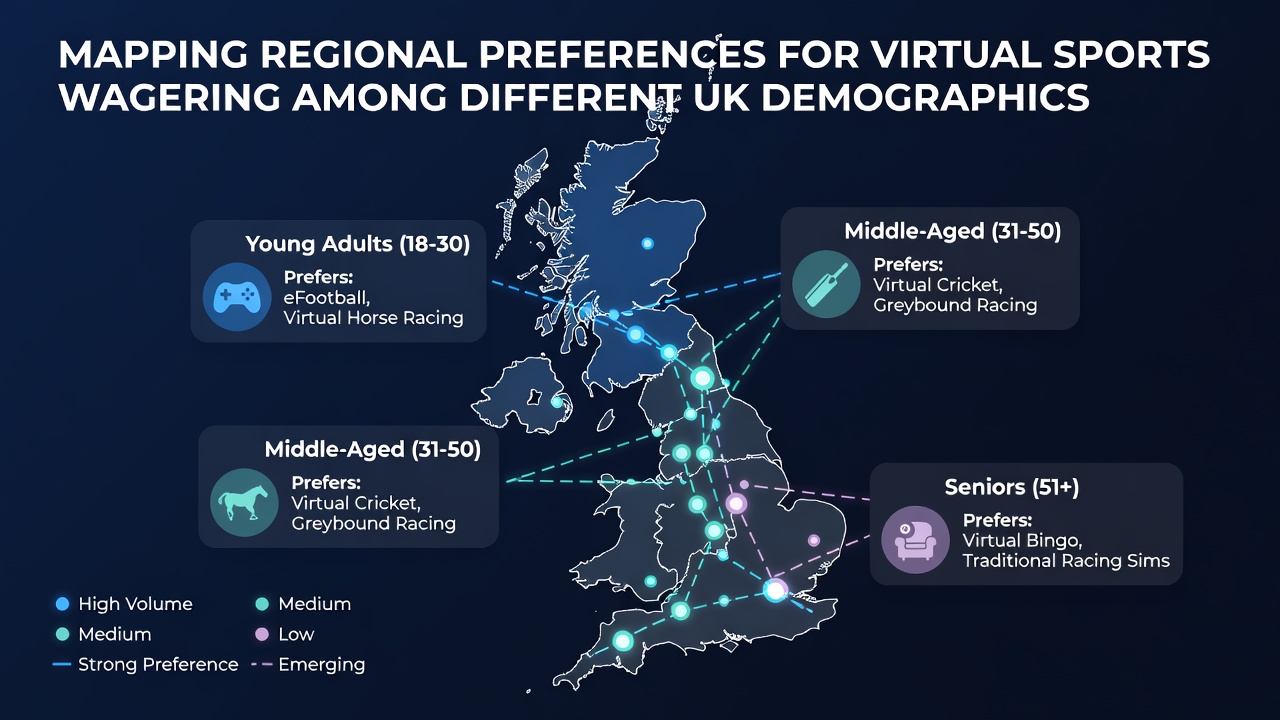
Virtual sports wagering has carved out a distinct niche within the UK betting landscape, with participation patterns varying sharply by region and demographic segment according to multiple industry datasets released through June 2026. Observers note that younger adults in urban centers show stronger engagement with fast-paced virtual football and basketball simulations, while older cohorts in rural areas gravitate toward virtual horse racing and greyhound events that mirror traditional betting formats they already know well.
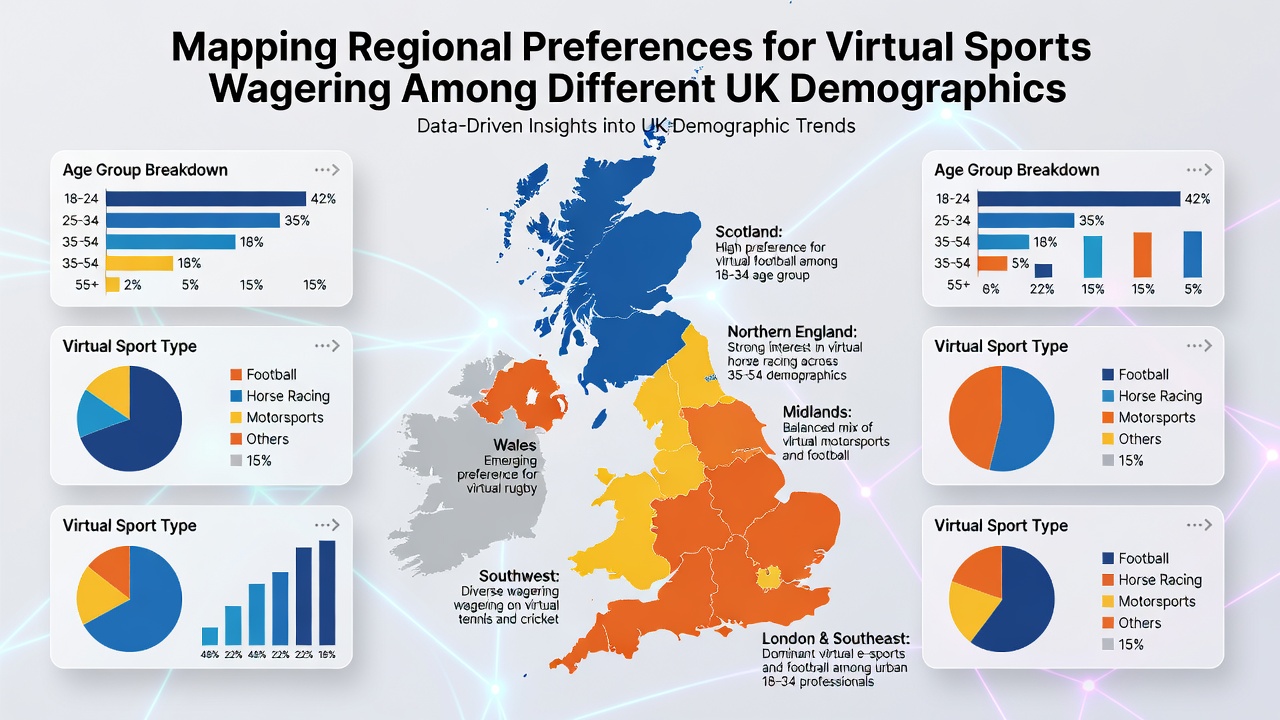
Data indicates participation rates climb highest among males aged 25 to 34 in London and the South East, where mobile app usage for virtual sports exceeds 40 percent of total betting activity in several tracked postcodes. Meanwhile, female bettors across all regions register lower overall involvement yet demonstrate growing interest in virtual tennis and motorsport events, particularly in Scotland and Wales where engagement has risen steadily since early 2025.
Age and Gender Patterns Shape Platform Choices
Those aged 18 to 24 favor instant-play virtual formats that deliver results in under two minutes, with research from the European Gaming and Betting Association highlighting how this cohort completes more than three times as many wagers per session compared with users over 45. Gender splits appear consistent nationwide, though women in the North West and Yorkshire report higher average stake sizes when participating in virtual cycling and athletics markets.
Income levels further segment preferences. Higher-earning households in metropolitan areas allocate larger portions of their betting spend to live virtual sports during evening hours, whereas lower-income groups spread activity across both virtual and real-world events throughout the day. Platform providers have adjusted interface designs in response, introducing simplified navigation tools that researchers at the University of Sydney found improve retention among first-time users from varied socioeconomic backgrounds.
Regional Differences Emerge in Event Selection
England's northern regions display clear preferences for virtual football leagues, with virtual Premier League simulations attracting the largest share of wagers during weekday evenings. Scotland's betting population leans toward virtual rugby and snooker formats, while Welsh users show elevated activity in virtual horse racing tied to local festival calendars. Northern Ireland stands apart with stronger participation in virtual motorsports, particularly during international racing seasons that align with summer scheduling.
Urban versus rural divides influence device preferences as well. City dwellers rely predominantly on smartphones for quick virtual sports sessions during commutes, yet rural participants more often use desktop platforms that allow extended review of odds and statistics before placing bets. These patterns held steady through data collected in June 2026, when seasonal shifts typically increase overall virtual sports volume ahead of major international tournaments.
Technology Access and Cultural Factors Drive Engagement
Broadband availability and smartphone penetration rates correlate directly with virtual sports adoption across regions, though cultural familiarity with specific sports also plays a measurable role. Areas with strong local football traditions see sustained virtual football wagering even among older demographics, whereas regions without prominent professional teams record lower engagement across all age groups.
Payment method preferences vary by location too. Users in the South West and East Anglia complete more transactions via digital wallets, while cash-based deposit options remain popular in parts of the Midlands and North East. These habits align with broader consumer banking patterns rather than betting-specific behaviors, according to aggregated transaction records analyzed through mid-2026.
Conclusion
Regional and demographic mapping of virtual sports wagering continues to evolve as operators refine offerings based on location-specific data and user feedback. Patterns observed through June 2026 underscore how age, gender, income, and geography combine to shape distinct betting profiles across the UK, with virtual sports maintaining steady growth in targeted segments. Continued analysis of these variations supports more precise product development while reflecting the diverse makeup of participants nationwide.