Greyhound Circuit Dynamics: Algorithmic Payout Structures and Liquidity Variations from Equine Racing at Prominent UK Venues
Yves Albrecht · Aug 19, 2026
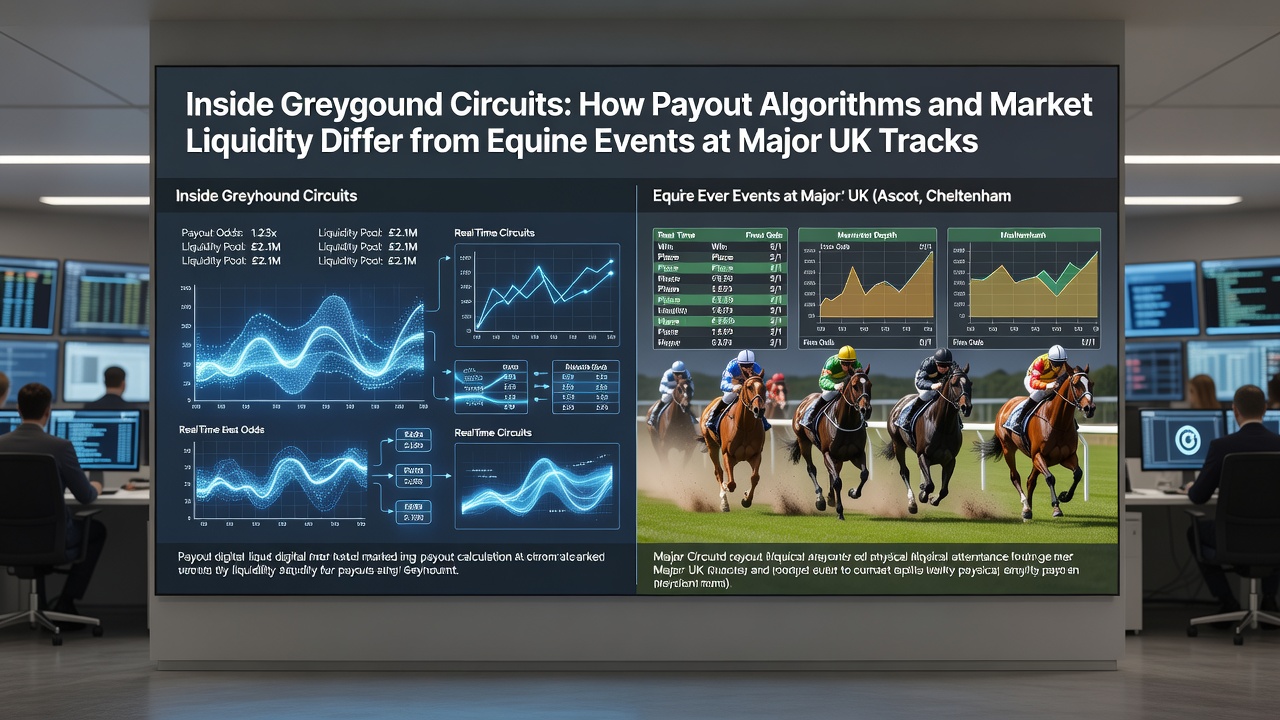
Greyhound Circuit Dynamics: Algorithmic Payout Structures and Liquidity Variations from Equine Racing at Prominent UK Venues
Greyhound racing operates through distinct payout mechanisms that rely on fixed-odds models adjusted by proprietary algorithms, while equine events at major UK tracks often incorporate pari-mutuel elements blended with bookmaker overlays, and these differences shape how returns calculate across both sectors. Observers note that greyhound circuits process wagers on shorter race distances with fewer variables per event, which allows algorithms to recalibrate odds in real time based on bet volume and historical performance data from venues such as those in the Midlands and northern England circuits.
Core Mechanics of Payout Algorithms
Algorithms in greyhound betting evaluate factors including trap position, recent form over specific distances, and track conditions that change rapidly between heats, then they adjust payout percentages to maintain margins around 15 to 20 percent according to aggregated industry reports. In contrast, horse racing algorithms at tracks like Ascot or Newmarket factor in larger fields, variable ground conditions, and longer race times, which leads to more complex weighting of variables such as jockey changes and pace forecasts before finalizing returns for punters. Data from multiple racing jurisdictions shows that greyhound systems refresh odds pools every few seconds during the pre-race window, whereas equine markets often stabilize earlier because of the greater number of participants and external influences like weather shifts reported days in advance.
Market Liquidity Patterns Across Both Codes
Liquidity in greyhound markets tends to concentrate in the final 10 minutes before race start, with total matched amounts often reaching several hundred thousand pounds per meeting when multiple tracks operate simultaneously, and this creates tighter spreads compared to the more distributed liquidity seen in equine events where ante-post betting builds volume over weeks. Researchers tracking August 2026 figures indicate that greyhound exchanges handle peak liquidity through automated matching systems that prioritize high-frequency small stakes, while horse racing at flagship venues draws larger individual wagers that can move prices by several points even hours before post time. One analysis of trading volumes revealed that greyhound circuits maintain steadier depth in popular traps because of consistent daily schedules, whereas equine liquidity fluctuates more with festival calendars and international entries that draw overseas interest.

Those who monitor exchange data note that greyhound events rarely see the same level of late liquidity surges triggered by non-runners, because the smaller participant pools allow operators to lock algorithms earlier without major recalibrations, and this stability supports narrower margins on straight forecasts and trifectas. Equine markets, however, incorporate provisions for multiple withdrawals that redistribute liquidity across remaining runners, which can widen spreads temporarily until new money flows in from syndicates and professional layers.
Regional and Operational Influences on Both Markets
UK greyhound operations follow standardized track dimensions across most circuits, which simplifies algorithmic inputs around bend speeds and sectional times, while major equine tracks feature varied layouts from flat courses to those with significant elevation changes that require additional data layers in payout calculations. Reports compiled by the Nevada Gaming Control Board on comparable racing formats highlight how fixed infrastructure in greyhound venues reduces variance in liquidity modeling, allowing operators to publish more predictable overrounds across evening programs. Equine events draw from a broader pool of international form data, which introduces additional algorithmic complexity when incorporating bloodstock trends and trainer statistics that evolve throughout the season.
Industry organizations such as the European Gaming and Betting Association have documented that greyhound betting volumes in August 2026 showed consistent evening peaks tied to television scheduling, whereas equine liquidity at premier tracks spread across daytime and twilight slots with greater reliance on overseas participation. These patterns affect how algorithms allocate reserve funds to cover potential payouts, with greyhound systems often holding smaller contingencies because of lower per-race prize structures and more frequent race rotations.
Conclusion
Overall the structural distinctions between greyhound payout algorithms and those applied to equine events stem from differences in race frequency, participant numbers, and infrastructure consistency, which in turn drive separate liquidity profiles at UK venues. Figures compiled through 2026 continue to illustrate how these mechanics support distinct betting ecosystems, each calibrated to the operational realities of its respective code while responding to volume patterns that shift with time of day and calendar events.