Mobile Interfaces Redefining Accumulator Strategies in Premier League Markets
Clara Lehmann · Jul 1, 2026
Mobile Interfaces Redefining Accumulator Strategies in Premier League Markets
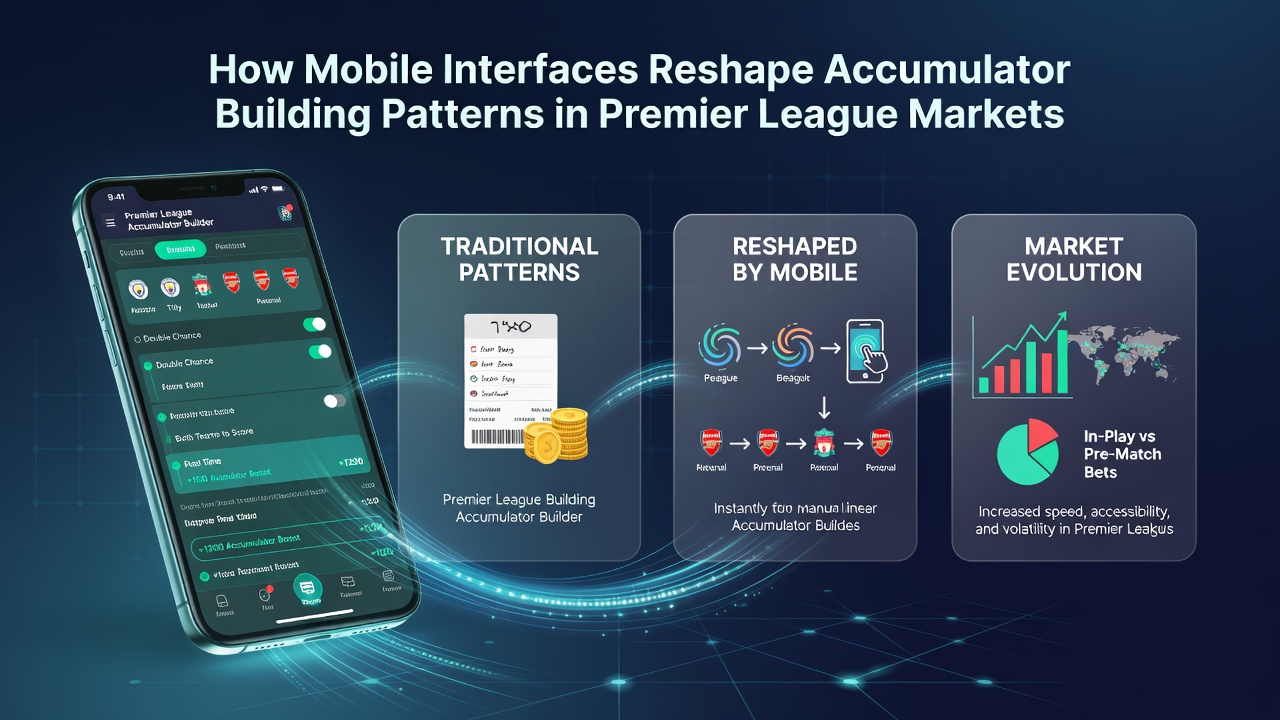
Premier League accumulator markets have undergone measurable changes as mobile interfaces gained dominance in bet placement, with data showing increased frequency of multi-leg selections since widespread adoption of app-based platforms. Observers note that features such as drag-and-drop leg addition, real-time odds refresh, and automated suggestion engines allow users to construct bets with greater speed and fewer steps compared to desktop or traditional methods. This shift coincides with broader patterns in digital engagement across betting activities, where touch-based navigation reduces friction in adding or removing fixtures from an accumulator.
Studies on user behavior indicate that mobile designs encourage experimentation with higher leg counts, often four or more matches per slip, because the interface presents compatible selections through visual grouping and predictive filters. Researchers discovered that these tools highlight statistical correlations between teams, such as home win rates or over/under trends, which users then incorporate into their builds. Data from industry reports reveal a corresponding rise in smaller stake sizes per accumulator, as the ease of adjustment leads to more iterative refinements before final submission.
Interface Features Driving Selection Patterns
Touchscreen elements like swipe gestures and tap-to-compare functions enable direct manipulation of accumulator components without navigating separate menus. Those who've examined app analytics find that push notifications for live odds movements prompt immediate additions of in-play legs, extending accumulator duration beyond pre-match windows. What's interesting is how color-coded risk indicators and progress bars guide users toward balanced combinations, often resulting in selections that span multiple Premier League rounds rather than single fixtures.
Automated cash-out sliders integrated into mobile views further influence building habits by displaying potential returns at each stage of construction. Evidence suggests users adjust leg priorities mid-process based on these projections, favoring teams with higher implied probabilities when the interface highlights them prominently. And this pattern holds across various app providers, where consistency in layout reduces the learning curve for incorporating new matches.
Data Trends in Accumulator Construction
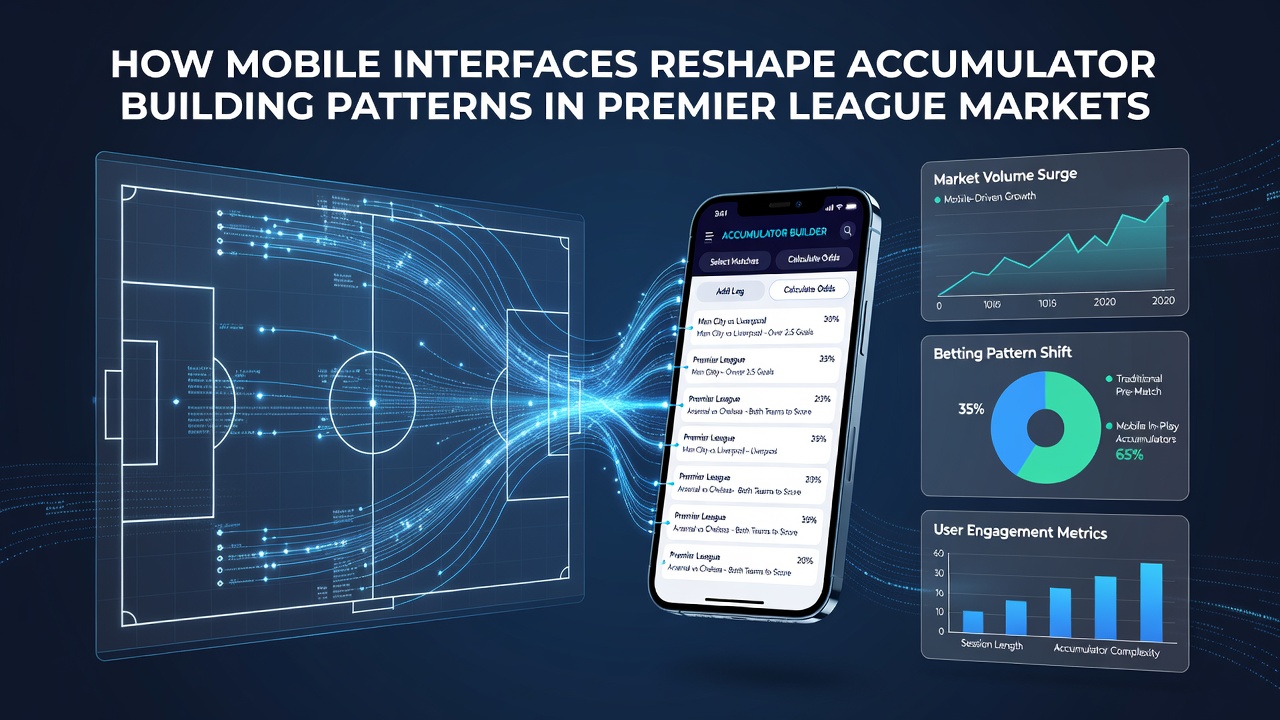
Figures from market analyses show that accumulator volume in Premier League betting increased notably during the 2025-2026 season, with mobile platforms accounting for over seventy percent of such activity by early 2026. This growth aligns with July 2026 updates to several apps that introduced enhanced voice command options for leg selection, allowing hands-free additions during match viewing. Academic examinations of user logs demonstrate that these updates correlate with shorter average construction times, dropping from several minutes on older interfaces to under thirty seconds in optimized versions.
One study revealed that geographic variations in mobile penetration affect these patterns, with regions exhibiting higher smartphone usage displaying greater diversity in accumulator themes, including cross-league combinations anchored by Premier League fixtures. External factors such as device screen size also play a role, as larger displays facilitate simultaneous viewing of multiple statistics panels during the build process.
Regulatory and Industry Context
Authorities outside the UK, including those in Australia and Canada, have documented similar interface-driven shifts in multi-bet activities through their respective oversight mechanisms. Australian Communications and Media Authority reports highlight how app design standards influence bet complexity across football markets, while Canadian provincial data indicates parallel increases in accumulator participation tied to mobile accessibility improvements. Industry groups such as the European Gaming and Betting Association have compiled cross-border comparisons showing consistent trends in selection volume following interface enhancements.
Platform providers respond to these observations by refining algorithms that prioritize popular Premier League pairings, which in turn standardizes certain accumulator structures among frequent users. Research indicates that feedback loops from completed bets train these systems to suggest increasingly tailored combinations based on historical user preferences.
Future Implications for Market Dynamics
Projections based on current interface evolution point toward further integration of augmented reality previews for match outcomes within accumulator builders by late 2026. Such developments could accelerate the trend toward dynamic leg swapping, where users replace underperforming selections in real time without restarting the entire process. Those monitoring adoption rates expect continued growth in mobile-driven accumulators as device capabilities expand, particularly with 5G networks supporting faster data synchronization during live events.
Conclusion
The interplay between mobile interface design and Premier League accumulator construction continues to produce measurable adjustments in user patterns, supported by data from multiple regulatory and research sources. As platforms evolve, the emphasis remains on how specific features facilitate quicker, more varied bet assembly while maintaining compliance with broader industry standards. Observers continue to track these developments through ongoing analysis of placement metrics and interface usage statistics.