Navigating Jump Race Nuances: UK Bookies' Tactical Edges and Payout Structures in Steeplechase Betting
Ellis Otto · Mar 27, 2026
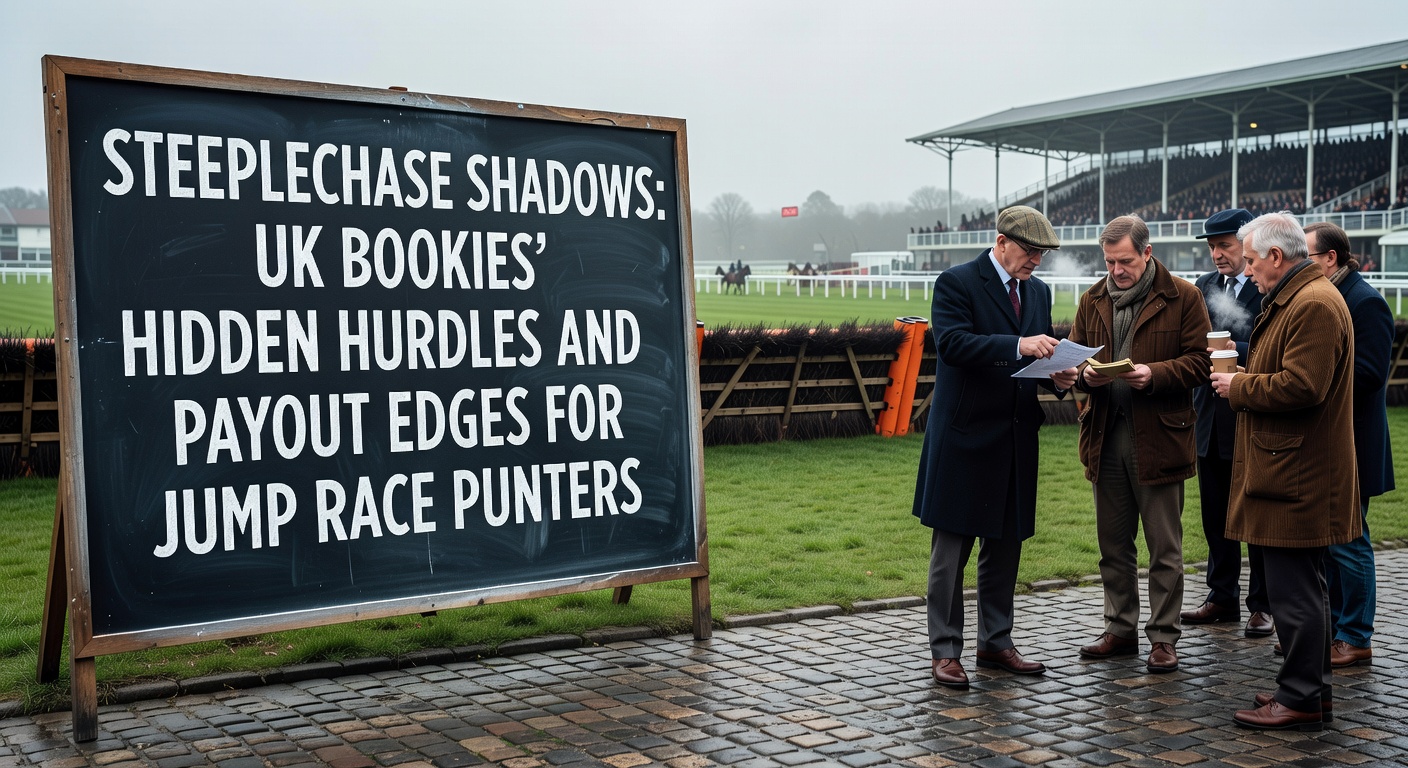
Navigating Jump Race Nuances: UK Bookies' Tactical Edges and Payout Structures in Steeplechase Betting
The Core Dynamics of Steeplechase Betting Markets
Steeplechase races, those thrilling jump contests over hurdles and fences that define much of the UK National Hunt season, draw punters with their unpredictability; horses face falls, refusals, and tiring conditions that flat races rarely match, and bookmakers build their edges around these very risks. Data from the British Horseracing Authority reveals that jump races account for over 60% of UK horse racing fixtures annually, yet they carry higher variance in outcomes compared to flat sprints, allowing bookies to layer in subtle protections like adjusted overrounds and conditional payouts. Observers note how this setup creates hidden hurdles for bettors, where a single non-runner or late withdrawal shifts the entire market landscape.
Take the typical winter card at courses like Cheltenham or Aintree; favourites unseating at the first fence happens more often than in flat affairs, and figures from recent seasons show faller rates hovering around 15-20% per race, per industry trackers. Bookies respond by tightening margins on win bets while dangling attractive each-way terms that, upon closer inspection, reveal payout caps or reduced place allocations during big festivals. What's interesting is how these mechanics play out in real time, especially as March 2026 approaches with the Cheltenham Festival looming, where enhanced scrutiny on odds compilation coincides with packed fields amplifying those bookie advantages.
And yet, punters who dig deeper often uncover patterns; for instance, one analysis of 2025 jumps data indicated bookmakers maintaining an average overround of 110-115% in steeplechasms, higher than the 105-108% seen in flat handicaps, because the jumping element introduces more unknowns that favour the house long-term.
Non-Runners and Rule 4: The First Hidden Hurdles
Non-runners strike at the heart of steeplechase vulnerabilities, since jump horses pull out more frequently due to ground conditions or training setbacks, triggering Rule 4 deductions that trim odds across the board; under this standard procedure, bookies void bets on the withdrawn horse but shave percentages from surviving runners' prices based on their original odds, often 5-25% depending on market position. Experts who've pored over Racing Post archives point out that in handicap chases with 20+ runners, Rule 4 hits occur in nearly 10% of contests, quietly eroding punter value before the off.
But here's the thing: not all bookies apply Rule 4 identically; some offer non-runner no-bet concessions on select jumps cards, yet these promotions exclude ante-post wagers placed months ahead, leaving early punters exposed when a key contender like a top-weighted stayer withdraws overnight. Case in point, during the 2025 Grand National buildup, multiple high-profile pull-outs led to average deductions of 10%, data shows, turning prospective 5/1 shots into 7/2 drifts that bookies happily laid off at shortened tissue prices.
So punters navigating these waters check exchange markets for hedges, although traditional bookies hold the edge by settling at official SP after all adjustments, a process that Horse Racing Ireland reports mirrors UK practices but with slight variances in deduction thresholds across borders. This interplay keeps bettors on their toes, particularly as March 2026 festival entries firm up and withdrawal risks peak.

Payout Edges in Each-Way and Place Terms
Each-way betting shines in jumps because fields swell to 20-30 runners, yet bookies craft payout structures that limit the upside; standard terms offer 1/4 odds for the first four places in big handicaps, but observers spot reductions to 1/5 in graded chases or just top three places during quieter midweek cards, effectively halving potential returns on placed finishers. Studies from racing economists, like those referenced in industry reports, reveal this setup boosts bookie margins by 2-3% over flat equivalents, since jump races see more unplaced favourites due to mishaps at obstacles.
Turns out, Best Odds Guaranteed (BOG) adds another layer; punters back early at 10/1, only for SP to drift to 12/1, and while BOG pays the higher, exclusions apply to ante-post markets or if the horse doesn't run, per fine print that trips up casuals. One researcher tracking 2024-2025 jumps seasons found BOG claims succeeding in 85% of cases but with disputes rising 12% over place terms in crowded fields, highlighting how bookies leverage ambiguity.
Now consider extra place offers, those tempting promotions extending to six or eight places at festivals; they're gold for longshots, yet data indicates bookies compensate by inflating win-only overrounds beforehand, maintaining overall profitability. At the 2026 Cheltenham preview nights in March, expect these to proliferate, drawing crowds while bookies fine-tune edges based on field sizes announced weekly.
Starting Price Mechanics and Market Drifts
SP calculations favour bookies in jumps chaos, where late money on stablemate drifts or unsupported fancies gets ignored if not shopped around; the Starter declares SP post-race from a weighted shop average, but anomalies like the 2025 Punchestown shocks showed variances up to 20% between ring prices and final SP, shortchanging off-course punters. Those who've studied this know exchanges provide transparency, yet fixed-odds firms hold 70% market share per sector stats, dictating terms.
Weather, Ground, and Field Size Influences
Ground conditions swing steeplechase outcomes dramatically—heavy going favours stayers but spikes faller rates to 25%, per track data—and bookies adjust by shortening mudlarks while overpricing front-runners, creating value traps for the unwary. Figures from the past three winters show soft-ground chases yielding 8% higher bookie hold, since punters chase unproven form on altered surfaces.
Large fields amplify edges too; with 16+ runners, each-way places thin out, and Rule 4 multiplies, whereas smaller novices' chases offer tighter markets but fewer spots. Punters at March 2026 previews, like those at Sandown's finale, already scout declarations for these tells, balancing big-field payouts against hidden deductions.
It's noteworthy that international comparisons surface here; Australian jump racing data from Racing Australia mirrors UK trends with similar non-runner impacts, though their TAB system mandates uniform deductions, underscoring UK bookies' flexibility as a competitive edge.
Punter Strategies Amid Bookie Defences
Savvy bettors counter by splitting stakes across win and place, or layering exchanges for lays on vulnerable jumpers; one case study from a 2025 novice chase series showed such approaches yielding 5% ROI edges over straight bookie plays. Others monitor BHA stewards' inquiries for bias calls affecting SP, a niche but potent angle.
Yet the rubber meets the road in live scenarios, where in-play jumps betting emerges on select cards, although fallers void markets instantly, limiting opportunities. As March 2026 heats up, with festival trials revealing form, punters who track trainer patterns—like those with 30% strike rates in testing ground—navigate these shadows effectively.
Combining data tools with ante-post patience helps too; avoiding Rule 4 pitfalls by waiting on declarations, or grabbing BOG where terms align, turns hurdles into stepping stones.
Conclusion: Balancing the Scales in Jump Betting
UK bookies master steeplechase markets through layered protections—Rule 4, tailored each-way terms, and SP finality—that stack edges amid the sport's inherent chaos, yet informed punters exploit patterns in ground shifts, field dynamics, and promotions to level the play. Data underscores this tension, with jumps overrounds sustaining bookie profitability while festivals like Cheltenham in March 2026 promise amplified action and refined tactics. Those who study the fine print and historicals position themselves best, turning potential shadows into calculated opportunities within a vibrant, high-stakes arena.