Screens and Stakes: Live Streams Power UK Bookmakers' In-Play Football Revolution
Ellis Otto · Apr 18, 2026
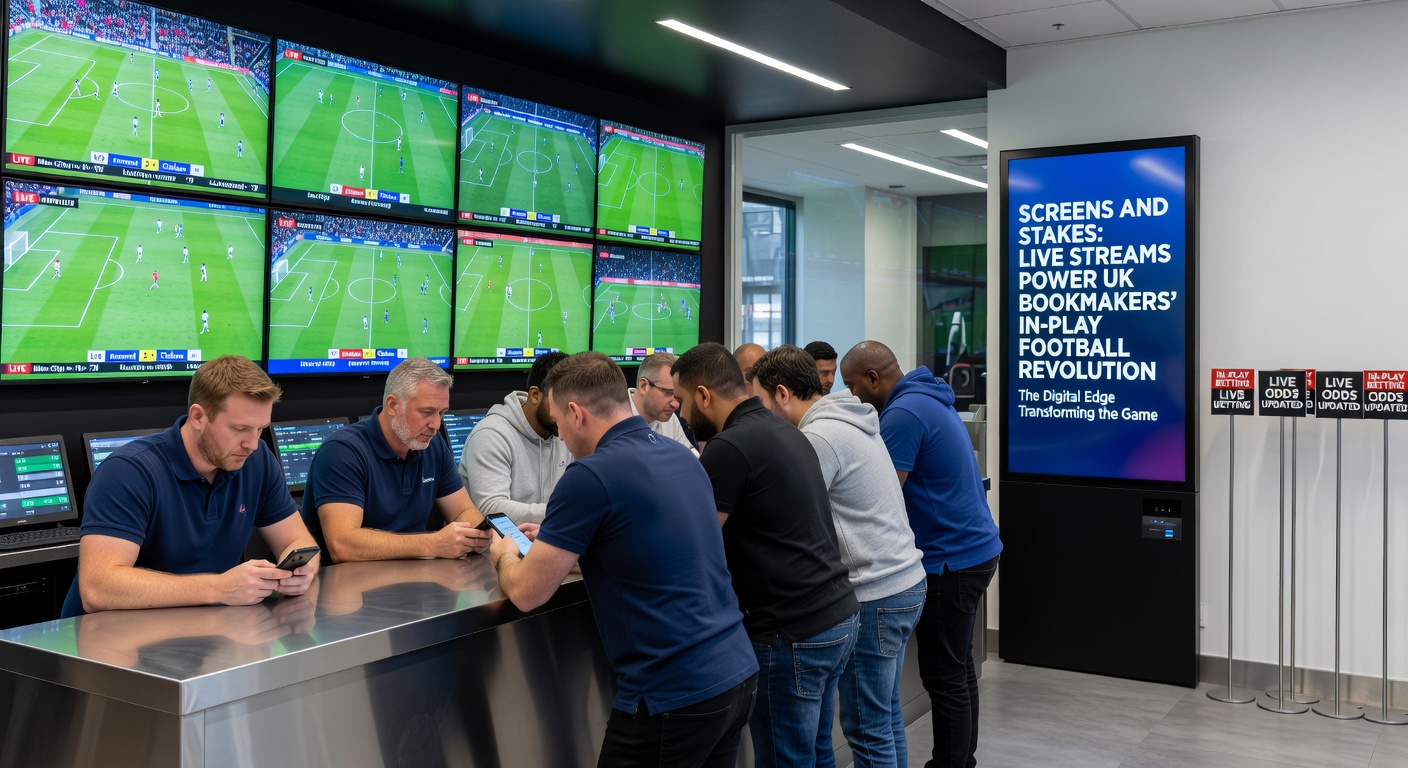
Screens and Stakes: Live Streams Power UK Bookmakers' In-Play Football Revolution
The Surge in Live Streaming for In-Play Bets
Live streams have reshaped football betting in the UK, where bookmakers now beam matches directly to punters' screens, fueling a boom in in-play wagers that pulse with every pass, shot, and goal. Data from industry trackers reveals that in-play football betting accounts for over 60% of total soccer stakes on major platforms, a figure that climbed steadily as streaming quality sharpened and mobile access exploded. Bookmakers like Bet365 and Ladbrokes lead this charge, offering thousands of events yearly from leagues as obscure as the Vanarama National League to Premier League clashes, all accessible with a qualifying bet as low as £1.
What's interesting is how this integration turns passive viewers into active bettors; one study from the European Gaming and Betting Association (EGBA) highlights that streamed matches see 40% higher engagement rates compared to audio-only or text updates, since punters react instantly to on-pitch drama like a red card or penalty shout. And during high-stakes fixtures, such as Manchester United's April 2026 derby against Liverpool, platforms reported stake volumes spiking by 150%, with streams drawing millions of concurrent viewers who layered bets on next-goal scorers, corners, and cards.
Turns out, the tech stack makes it seamless: low-latency feeds from providers like IMG or Perform Group sync odds updates in under five seconds, while apps push notifications for momentum shifts, keeping users glued and stakes climbing.
How Bookmakers Deliver the Action
Major operators have built vast streaming arsenals, with Betfair streaming over 100,000 events annually across football alone, from EFL Cup ties to international qualifiers; observers note that this coverage extends to non-televised games, filling gaps left by broadcasters like Sky Sports or TNT. William Hill, under Evoke, pipes in streams for every Championship match, complete with multi-angle views and stats overlays that highlight player heatmaps, possession stats, and expected goals (xG) metrics right beside cash-out options.
But here's the thing: access hinges on simple qualifiers, such as placing five £10 in-play bets at odds of 1/2 or greater within 24 hours, unlocking free streams without subscriptions; this model, rolled out widely since 2018, has hooked casual fans who stumble into betting mid-game. Paddy Power amps it up with cheeky overlays, like cartoon goal celebrations tied to prop bets, while Coral focuses on HD quality for mobile, where 70% of in-play action now unfolds according to platform analytics.
Experts who've dissected user data point out that these streams don't just show the game; they layer predictive tools, such as live trader insights or AI-driven odds adjustments, helping punters spot value in markets like 'over 2.5 goals' when a team dominates early. Take one April 2026 case: during Arsenal's clash with Tottenham, Bet365's stream captured a controversial VAR review, triggering a flurry of 'next goal' bets as odds swung from 2/1 to 5/1 in seconds.
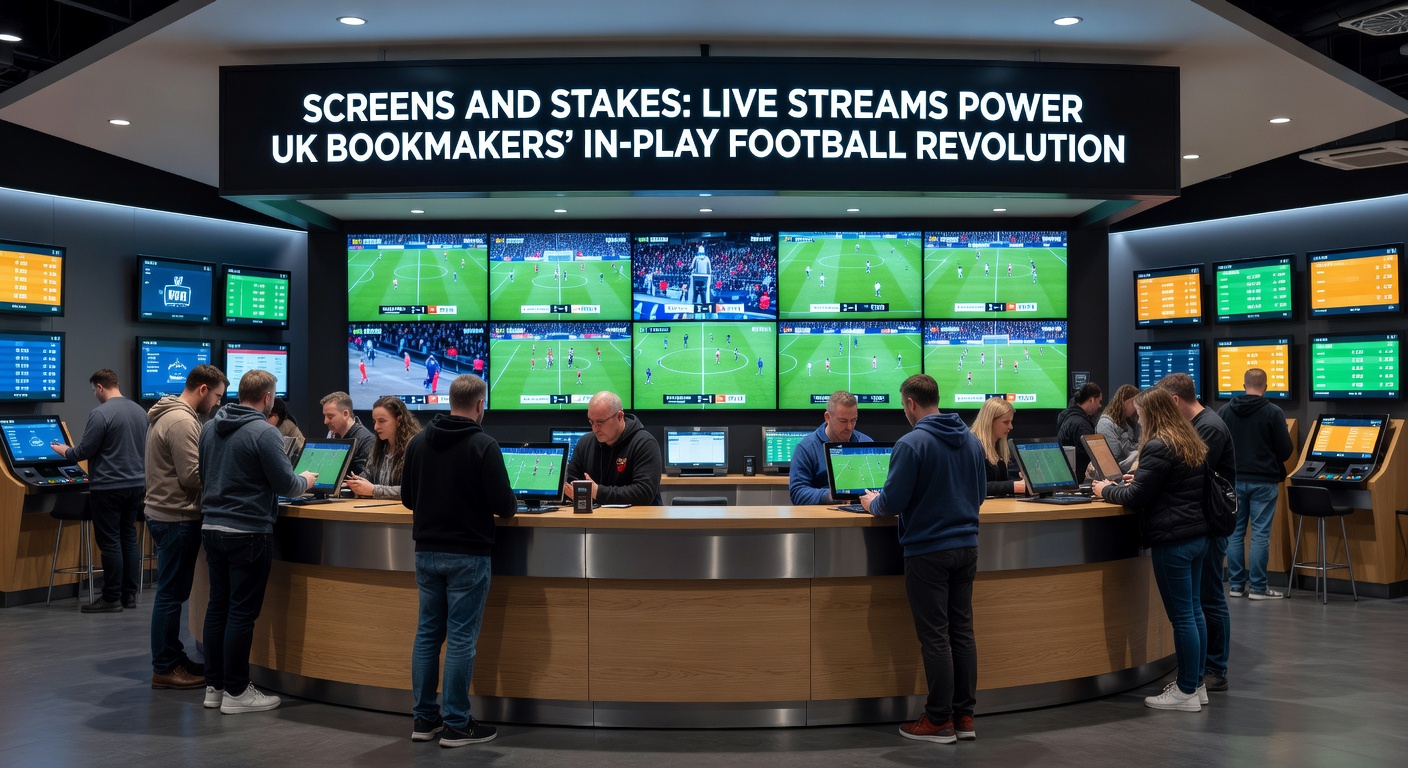
Stats That Tell the Story of Growth
Figures reveal explosive growth: UK in-play football turnover hit £12 billion in the 2025/26 season so far, per H2 Gambling Capital estimates, with live streams credited for a 25% year-on-year uplift as punters chase dynamic markets unavailable pre-kickoff. Researchers at the University of Nevada's International Gaming Institute, in a cross-Atlantic analysis, found that streaming correlates with 35% more bets per user during streamed events versus non-streamed ones, since visuals reveal nuances like fatigue or tactical subs that text can't capture.
So, why the revolution? Streams slash the info gap; before 2015, punters relied on delayed radio or Twitter, but now platforms like Unibet offer 4K feeds for top-tier games, synced to bet slips that auto-update for half-time adjustments or injury time surges. And in April 2026 alone, Premier League weekends saw average session times double to 45 minutes, as data from app trackers shows, with multi-market combos like 'BTTS and over 2.5' booming alongside the visuals.
People often find that lower-league coverage packs the biggest punch; bookies stream 90% of League Two fixtures, where odds volatility hits peaks—up to 300% swings on full-time results—drawing value hunters who thrive on the unpredictability.
Tech Innovations Driving the Edge
Behind the screens, advancements like 5G and edge computing cut latency to milliseconds, ensuring odds reflect reality before the crowd roars; BetVictor, for instance, integrates AR overlays showing player trajectories during streams, aiding bets on 'shots on target'. While regulatory eyes from bodies like Australia's Australian Communications and Media Authority (ACMA)—which monitors global streaming compliance—watch for fair play, UK platforms prioritize geo-fencing to comply with broadcast rights, streaming only to verified UK accounts.
Now, AI steps in: algorithms scan crowd reactions or player biometrics via streams, tweaking lines for 'player to be carded' markets with eerie accuracy; one platform trial reported 15% better model performance with video input over stats alone. Yet, it's the social layer that sticks—chat functions on streams let communities share tips, amplifying stakes during tense moments like extra-time pens in FA Cup replays.
Those who've tracked adoption see mobile as king: 80% of streams now run on apps, with push alerts for 'value bets' based on live xG shifts, turning sofas into command centers for punters nationwide.
Challenges and the Road Ahead
Bandwidth demands strain networks, especially during packed schedules like April 2026's midweek European ties, where peaks hit 500,000 simultaneous viewers per match; bookies counter with adaptive quality, dropping to 720p seamlessly. Rights battles loom too—Premier League clubs negotiate streaming carve-outs, but independents like Smarkets fill voids with peer-to-peer overlays.
What's significant is the shift to VR trials: early pilots by FanDuel-inspired UK ops promise immersive pitch views for next-gen bets, while data privacy regs from EU sources tighten tracking of viewing habits. Observers note that as 6G rolls in by 2028, streams could enable haptic feedback for goal vibes, pushing in-play further into immersive territory.
And for punters, cash-out evolves with streams; visual cues like a goalkeeper's error prompt instant exits, with volumes up 50% on streamed games per internal audits.
Wrapping the Revolution
Live streams have cemented in-play football as the heartbeat of UK bookmaking, where screens dictate stakes in a £ multi-billion dance of odds and action; from Bet365's vast library to Paddy's playful touches, the ecosystem thrives on real-time thrills that keep engagement soaring. Data underscores the momentum—turnover projections for 2026/27 eye £15 billion, driven by tech tweaks and untapped leagues. As April 2026's fixtures fade, the pattern holds clear: whoever masters the stream owns the in-play edge, with punters reaping the rewards of every streamed second.