Simulated Racing Incentives: Shaping Engagement in UK Casino Environments
Clara Lehmann · May 20, 2026
Simulated Racing Incentives: Shaping Engagement in UK Casino Environments
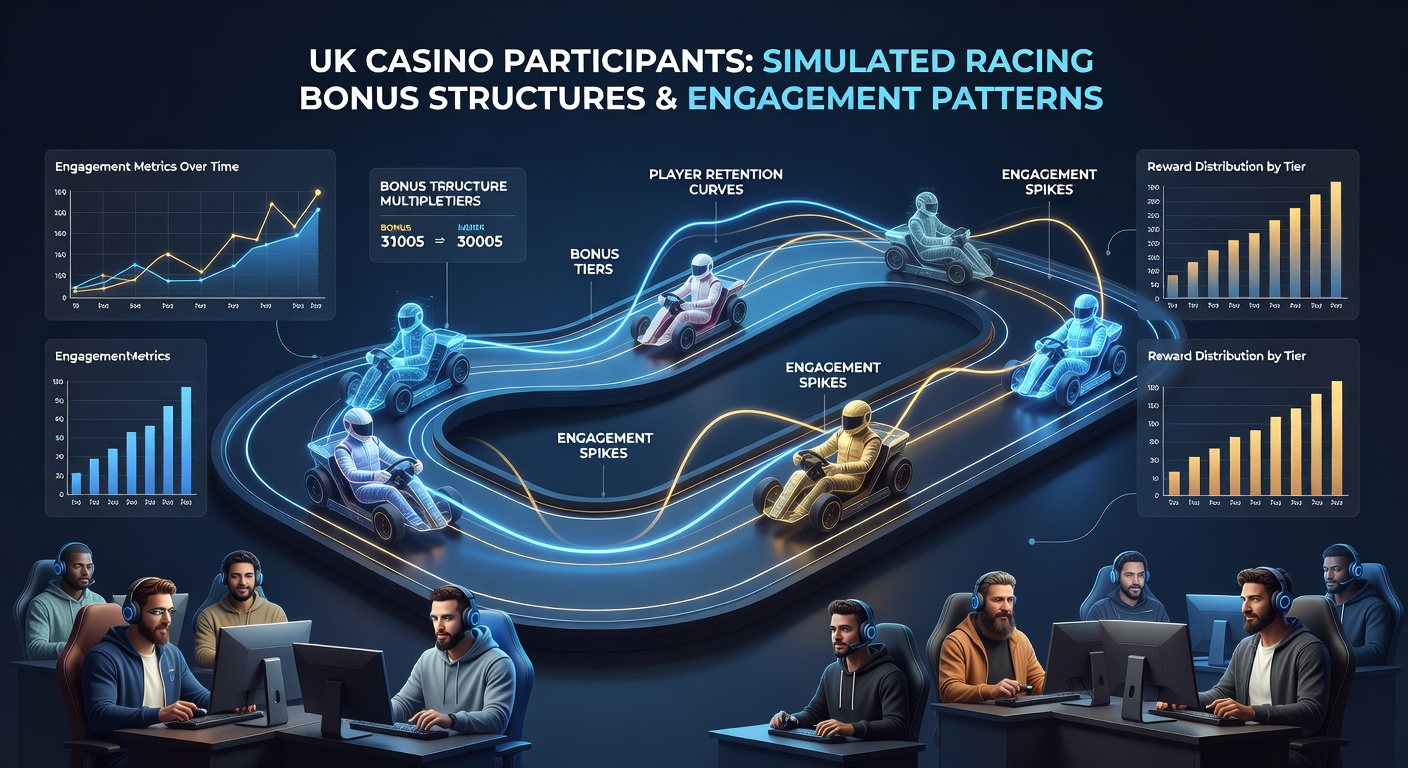
Simulated racing platforms have expanded within UK casino offerings where bonus mechanisms directly affect how participants allocate time and funds across virtual events, according to aggregated industry data. Operators structure these incentives around deposit matches, loyalty multipliers, and race-specific rewards that encourage repeated logins and extended sessions while players track simulated outcomes in real time. Those patterns emerge because bonuses often reset on a daily or weekly cycle, prompting users to return before expiration dates pass. Research indicates that engagement spikes occur most consistently when promotions tie directly to virtual horse or greyhound events rather than table games or slots alone.
Core Bonus Structures in Simulated Racing
UK casinos deploy several distinct bonus formats for simulated racing, each calibrated to sustain momentum through the session. Deposit bonuses typically award a percentage match that converts into racing credits usable only on virtual tracks, while free bet vouchers arrive after a minimum number of completed races. Cashback schemes refund a portion of losses sustained during simulated events, and these refunds frequently appear as bonus funds that carry wagering requirements. Observers note that tiered loyalty programs accelerate reward accumulation the more races a player completes within a calendar month, creating a feedback loop where higher engagement unlocks better payout percentages on subsequent virtual bets.
Many platforms schedule enhanced odds promotions around peak evening hours, aligning with when data shows the largest clusters of active users. These timed offers reduce the house edge temporarily on specific simulated races, drawing participants who might otherwise switch to other casino verticals. What's interesting here is how the combination of time-limited multipliers and race-result instant payouts keeps sessions fluid, since winners receive credits immediately and can reinvest without waiting for external approvals.
Observed Player Engagement Patterns
Engagement data collected across multiple UK operators reveals distinct rhythms tied to bonus availability. Players who receive welcome bonuses structured around simulated racing tend to complete their first ten races within forty-eight hours, after which activity either plateaus or accelerates depending on whether follow-up promotions appear. Retention curves flatten less sharply when weekly free race credits land automatically rather than requiring manual claims. Studies from academic sources have tracked session length increases of twenty to thirty-five percent when bonuses include streak rewards for consecutive daily logins focused on virtual racing.
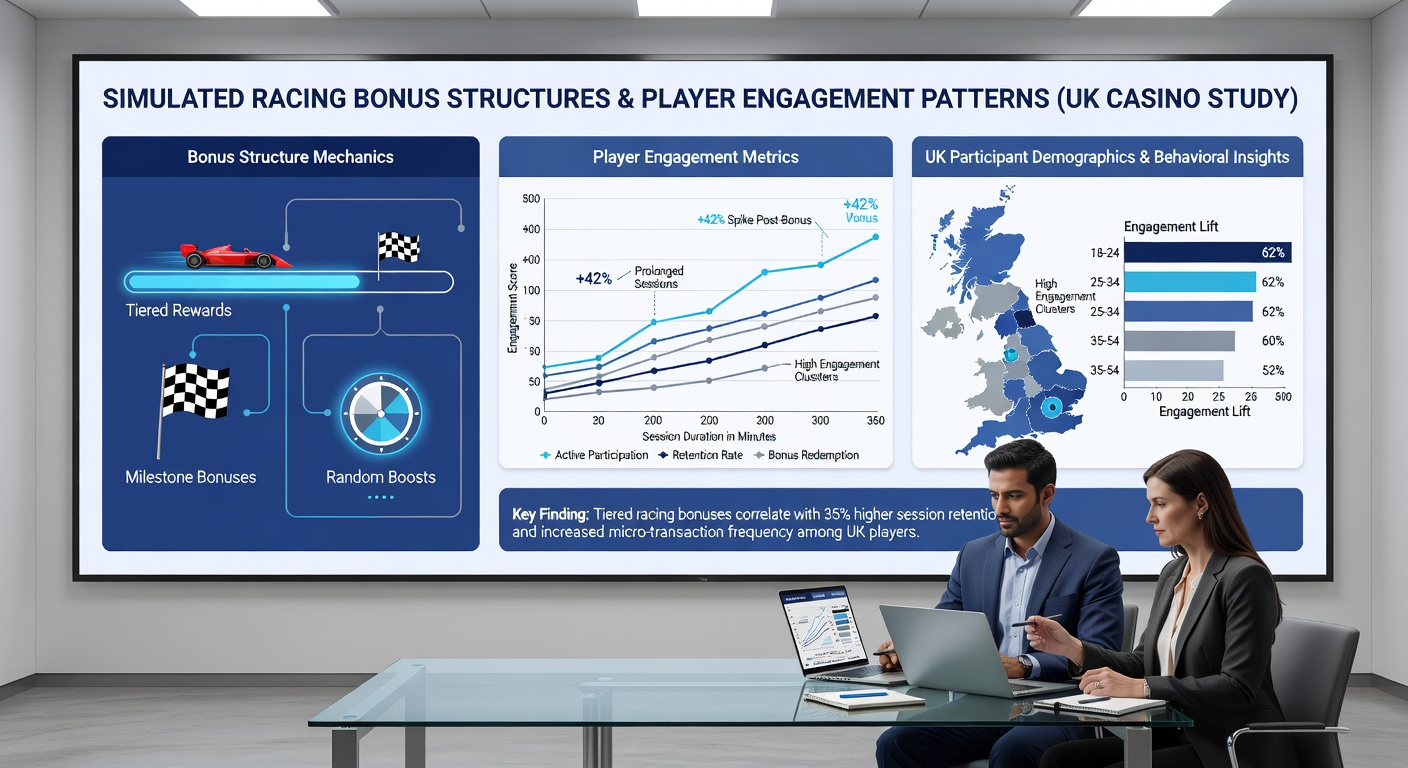
Frequency patterns also shift seasonally. During periods when outdoor racing calendars thin out, simulated alternatives see higher traffic precisely because bonus structures remain constant. One analysis of transaction logs found that participants who receive loss-mitigation bonuses on simulated races maintain average bet sizes closer to their initial stakes instead of chasing larger wagers after setbacks. This steadier approach extends overall lifetime value for operators while reducing abrupt drop-offs that occur when players exhaust funds quickly.
Regulatory Context and Industry Adjustments Around May 2026
As of May 2026 several casino groups have refined simulated racing bonus parameters following updates to consumer protection guidelines issued by regulators outside the primary UK framework. These adjustments include clearer disclosure of wagering multipliers attached to racing credits and caps on how many consecutive bonuses a single account can claim within a thirty-day window. Platforms that implemented these changes early report smoother compliance audits and sustained player numbers, because transparent terms reduce confusion that previously led some users to abandon accounts mid-promotion. Industry reports from bodies such as the Responsible Gambling Council highlight that clearer bonus mechanics correlate with longer average engagement windows across virtual products.
Operators have also introduced optional reality-check prompts that activate after a set number of simulated races when bonus funds remain active. These tools appear alongside the race interface itself, allowing participants to review time spent and amounts wagered before continuing. Data gathered since the rollout shows modest reductions in late-night session extensions, yet overall participation rates hold steady because the underlying bonus value proposition stays attractive.
Comparative Insights from Broader Gaming Markets
Patterns observed in UK casinos mirror trends documented in other regulated markets where virtual racing coexists with traditional offerings. A review published by the International Center for Responsible Gaming examined bonus-driven play across multiple jurisdictions and found that racing-themed incentives produce steadier repeat-visit rates than slot-focused promotions when the rewards scale with event frequency rather than jackpot size. UK operators appear to have adopted similar scaling techniques, resulting in engagement curves that rise predictably during bonus windows and taper gradually once the incentives conclude.
Take the case of one mid-sized casino group that introduced a bonus ladder tied to cumulative simulated race finishes. Participants who reached the third tier within a week showed a forty percent increase in total races completed compared with the control group receiving flat deposit matches. Those findings align with earlier observations from Australian market data where virtual racing bonuses structured around progressive rewards extended average player lifetime by several weeks.
Conclusion
Bonus structures attached to simulated racing continue to shape how UK casino participants distribute their activity across virtual events, with timing, transparency, and reward progression serving as primary levers. As operators refine these mechanics through 2026 and beyond, the resulting engagement patterns reflect a balance between incentive appeal and regulatory expectations that keeps participation both consistent and measurable. Continued monitoring of transaction and login data will clarify how further adjustments influence long-term behavior across this vertical.