Strategic Payment Selection Enhances Value from Welcome Deposit Offers
Clara Lehmann · Aug 24, 2026
Strategic Payment Selection Enhances Value from Welcome Deposit Offers
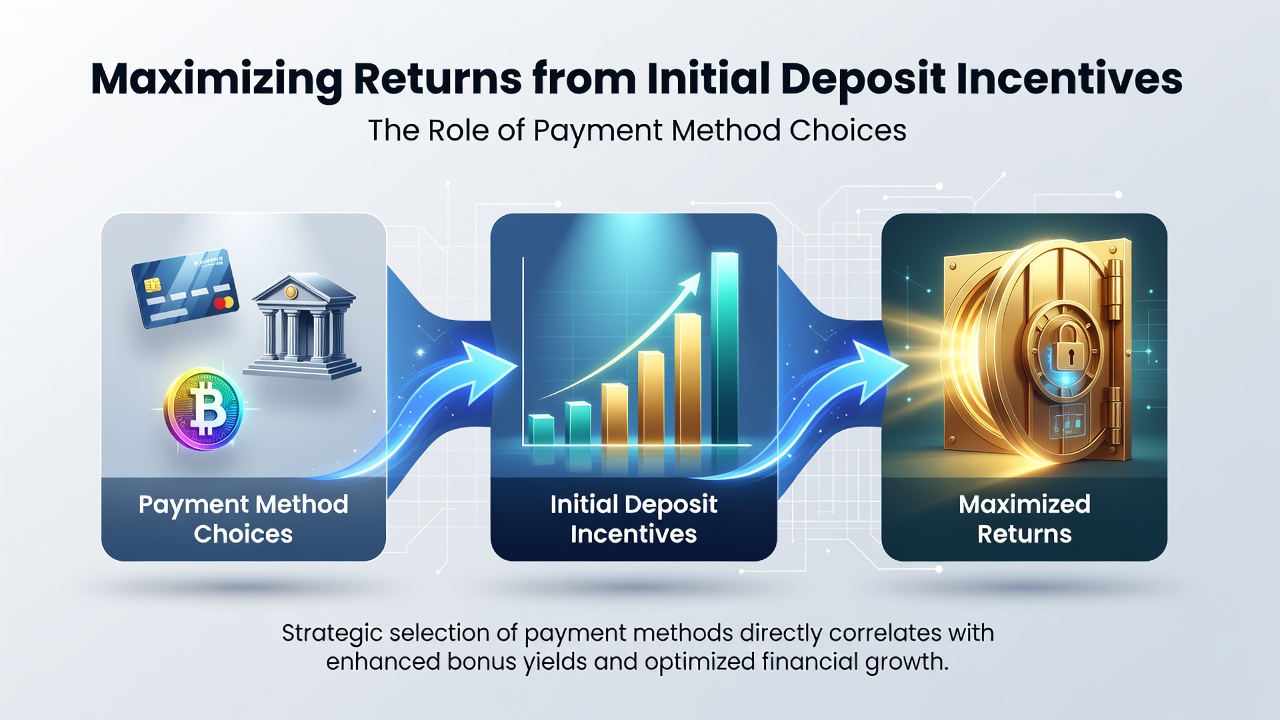
Payment method decisions play a direct role in how much value users extract from initial deposit incentives across online platforms, and observers note that the mechanics involve eligibility rules, processing speeds, fee structures, and bonus matching percentages that vary by provider. Data from industry analyses indicate that certain options trigger higher reward tiers while others incur hidden costs that reduce net returns, and researchers have documented these patterns through transaction reviews spanning multiple regions.
Core Mechanics of Deposit Incentives
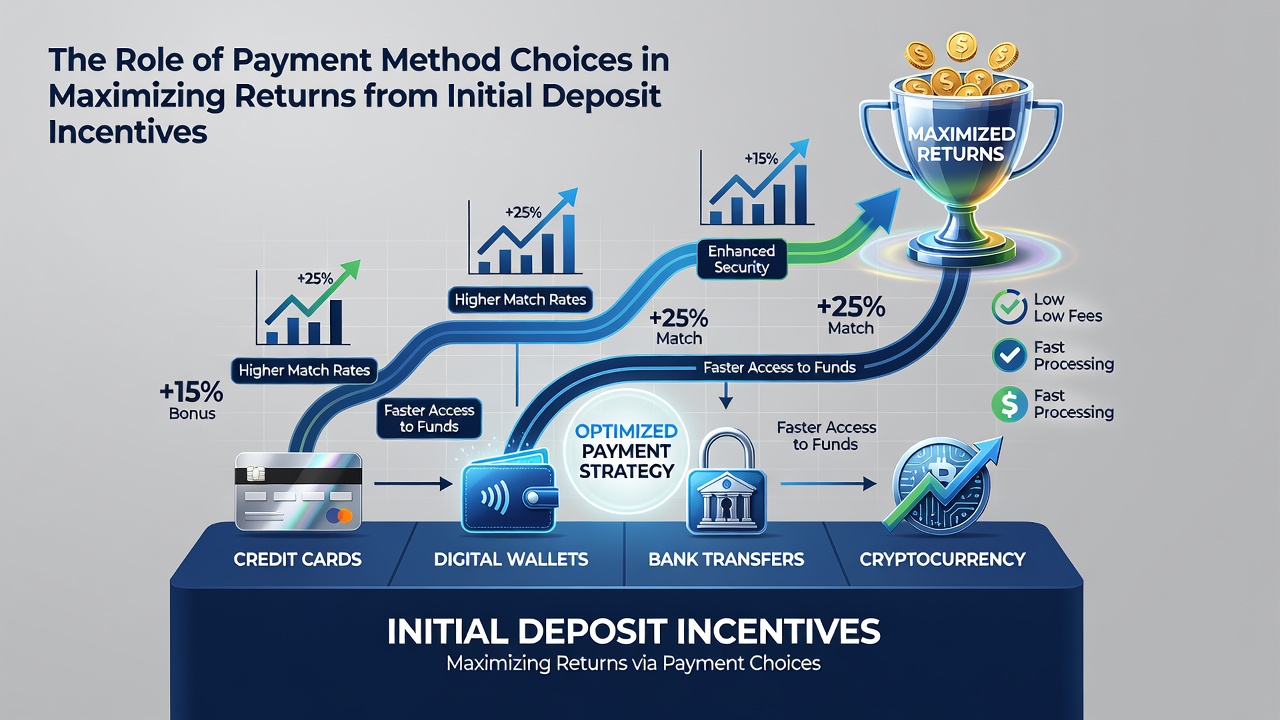
Initial deposit incentives typically operate on a percentage match system where the platform adds funds based on the deposited amount, yet eligibility often hinges on the payment channel selected, and those who've examined operator terms find that credit cards sometimes qualify for full matches whereas e-wallets receive restrictions or lower percentages in specific jurisdictions. Processing times further influence outcomes because instant approvals allow immediate participation in time-sensitive promotions, while bank transfers may delay access and cause users to miss bonus windows that close within hours of deposit.
Payment Categories and Their Distinct Effects
Credit and debit cards remain common choices because they integrate with most systems and support rapid verification, but transaction fees charged by card networks can erode bonus value unless the operator absorbs those costs, and evidence suggests operators in competitive markets increasingly cover such fees to attract larger deposits. E-wallets such as digital accounts provide an alternative route that often bypasses some card restrictions, and studies from academic institutions reveal higher bonus uptake rates when users select these methods since they frequently avoid additional processing charges that accumulate over repeated transactions.
Bank transfers deliver another layer of options for larger sums, yet slower confirmation periods mean the incentive activation gets postponed, and data indicates users who prioritize speed over this method achieve better overall returns by avoiding opportunity losses during promotional periods. Cryptocurrency channels have gained traction in certain markets because they enable near-instant settlements with minimal intermediary fees, and reports compiled by research groups show these methods sometimes unlock exclusive incentive tiers that traditional channels do not access.
Regional Variations in Payment Regulations
August 2026 brought updates to digital transaction frameworks in several markets outside the UK, and figures from regulatory bodies in Australia and Canada illustrate how new verification standards altered which payment methods qualify for bonus programs. Platforms adjusted their terms to align with these shifts, resulting in expanded acceptance of certain e-wallet providers that previously faced limitations, and analysts tracking these changes observed corresponding increases in average deposit sizes among users who switched methods accordingly.
European operators responded to parallel directives by standardizing fee disclosures, which in turn allowed users to compare net bonus values more accurately before committing funds, and industry organizations have compiled datasets demonstrating reduced dispute rates when payment transparency improved. Those monitoring cross-border activity note that users who align their chosen method with local regulatory preferences often secure faster fund releases and avoid compliance holds that delay bonus crediting.
Practical Examples from Transaction Data
One documented case involved a user depositing through an e-wallet that carried no platform fee and qualified for a 100 percent match up to a set limit, whereas the same amount processed via credit card incurred a network surcharge that lowered the effective bonus percentage, and similar patterns appear across aggregated reports from multiple operators. Another instance highlighted how cryptocurrency deposits triggered an additional loyalty layer on top of the standard incentive because the method reduced operator processing expenses, and researchers tracking these outcomes found measurable differences in user retention tied directly to initial method selection.
Observers have pointed to Australian regulatory summaries that detail how payment method preferences shifted following 2025 policy adjustments, with corresponding changes in bonus redemption efficiency. Parallel findings from North American academic reviews reinforce that fee-aware selections compound value over multiple incentive cycles rather than isolated first deposits.
Emerging Trends and Platform Adjustments
Operators continue refining incentive structures to favor methods that minimize their overhead, and this adjustment process has led to differentiated bonus tables that list eligible channels alongside their respective match rates and maximum caps. Users who review these tables before depositing gain access to higher effective returns, particularly when combining low-fee methods with promotions that include cashback or free spin add-ons triggered by the same transaction.
Platform integrations with newer digital wallets have accelerated since early 2026, and transaction logs reveal quicker bonus activation times that preserve promotional windows for users who adopt these channels early. Industry reports compiled by trade associations further indicate that education around fee structures correlates with higher overall satisfaction metrics among participants who optimize their payment routes accordingly.
Conclusion
Payment method choices determine the extent to which initial deposit incentives deliver measurable returns through their influence on eligibility, costs, and timing, and aggregated data across markets confirm these variables produce consistent patterns when tracked over extended periods. Those examining operator policies and regulatory updates find that informed selection processes yield higher net values without requiring changes to deposit amounts themselves, and ongoing platform adaptations in response to regional frameworks continue to reshape available options for participants seeking to maximize such programs.