Tiered Bonus Structures and Retention Patterns in Digital Betting Markets
Yves Albrecht · Aug 1, 2026
Tiered Bonus Structures and Retention Patterns in Digital Betting Markets
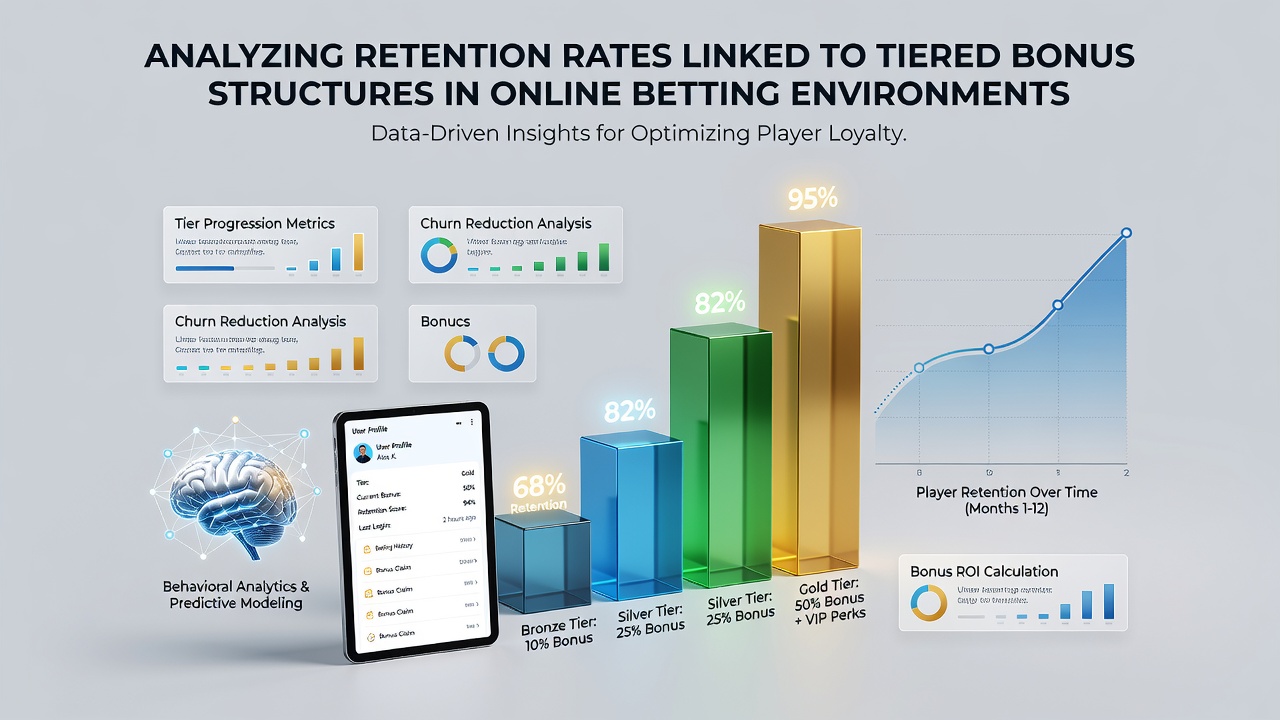
Online betting platforms have implemented tiered bonus structures that scale rewards based on player activity levels, and analysts track how these systems connect to retention metrics across various markets. Data from multiple regions show operators using progressive tiers where initial deposits unlock basic bonuses while sustained play unlocks higher cashback rates, free bets, and exclusive events. Researchers examining platform logs note that retention often rises when players reach mid-tier thresholds, though the strength of that link varies by game type and region.
Defining Tiered Bonus Mechanics
Tiered systems typically divide players into categories such as bronze, silver, gold, and platinum, with each level requiring minimum deposit or wagering volumes to qualify. Bonuses at higher tiers include percentage-based cashback on losses, reduced rollover requirements, and priority access to new markets. According to industry reports from the American Gaming Association, these layered incentives aim to extend session lengths and encourage repeat visits rather than one-time sign-ups.
Operators adjust tier requirements seasonally, and data collected through August 2026 indicate that platforms in North American and European markets refined thresholds after observing drop-off points between the second and third tiers. Players who advance past the initial levels demonstrate longer account activity spans in aggregated datasets, while those remaining at entry tiers show higher churn within the first 60 days.
Retention Measurement Approaches
Retention rates in this sector rely on metrics such as day-30 active accounts, average revenue per user over six months, and frequency of deposits following the first bonus claim. Studies compiled by the Australian Gambling Research Centre track cohorts of new registrants and compare outcomes across bonus tiers, revealing that mid-tier participants maintain activity at rates approximately 15 to 20 percent higher than entry-level users in the examined samples. These figures come from anonymized transaction records rather than self-reported surveys.
Observed Patterns Across Platforms
Multiple analyses connect tier progression speed to retention stability. When players reach the second tier within 14 days of registration, subsequent 90-day retention improves compared with slower progressions. Yet the advantage narrows once players exceed the top tier, suggesting diminishing returns at the highest reward brackets. Platform operators in Canadian provinces have reported similar distributions in quarterly summaries released to provincial regulators.

One longitudinal review of European operator data found that loyalty point accumulation tied to tier status correlates with reduced account dormancy periods. The same review noted that cashback bonuses delivered at higher tiers produce steadier deposit patterns than upfront welcome offers alone. Observers tracking these trends emphasize that external factors such as major sporting events also influence the observed retention curves.
Regional Data Comparisons
Figures from regulatory disclosures in New Jersey and Pennsylvania show operators with aggressive tiered programs maintaining higher monthly active user counts than those relying on flat bonuses. A separate academic paper from the University of Nevada examined similar structures and identified that players receiving tiered rewards exhibited more consistent wagering volumes across weekdays and weekends. The paper's authors used matched-pair analysis to control for player demographics and initial deposit sizes.
Platforms operating in multiple jurisdictions adjust tier criteria to local preferences, and retention gains appear strongest when the bonus structure aligns with popular bet types such as accumulators or in-play markets. Data collected through mid-2026 continue to show regional variation, with stronger tier-retention links in markets where cashback forms the primary reward rather than free bets.
Conclusion
Available datasets indicate measurable associations between tiered bonus progression and extended player retention, although the magnitude differs by market, game category, and reward composition. Continued monitoring of transaction records across diverse regulatory environments will clarify which specific tier thresholds produce the most stable retention outcomes over longer time horizons.